
Table of Contents
2C Hair Complete Care, Styling & Product Guide
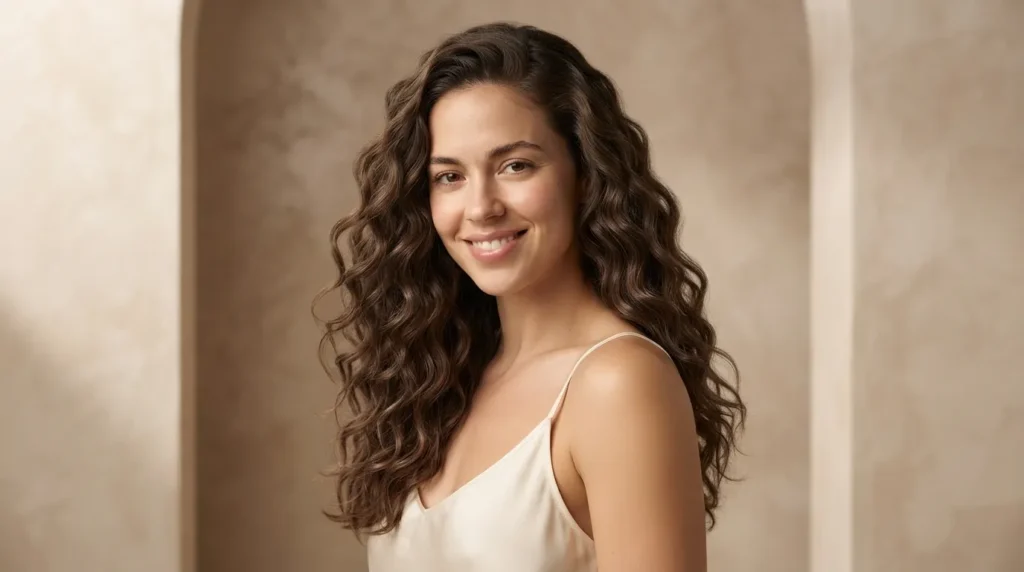
If your hair forms noticeable S-shaped waves that become stronger toward the ends, you may have 2C hair. This hair type sits near the boundary between wavy and curly hair, which can make it look different from one wash day to the next.
2C waves can be thick, fine, coarse, dense, or relatively lightweight. They may look beautifully defined with the right routine but become frizzy, dry, flat, or weighed down when products and techniques do not match the hair’s needs.
The good news is that caring for 2C hair does not require an enormous collection of products. The goal is to understand your natural wave pattern, provide enough moisture without buildup, and use styling techniques that encourage definition without destroying volume.
This guide explains how to identify 2C hair, build a practical routine, choose products, control frizz, define waves, dry your hair, and select flattering cuts and styles.
What Is 2C Hair?
2C hair is a wavy hair type characterized by strong, clearly visible waves that often form an S-shaped pattern. The waves usually begin closer to the roots than they do with looser 2A or 2B patterns.
Some people with 2C hair have waves that almost look like loose curls, especially around the sides and back of the head. Other sections may appear much looser.
The important thing is that hair type is not a perfect label. Your natural pattern can vary because of hair length, density, humidity, products, damage, hormones, and styling methods.
What Does 2C Hair Look Like?
A typical 2C pattern has defined S-shaped waves rather than completely straight strands or consistent ringlets.
You may notice:
- Strong waves throughout the lengths
- More definition toward the ends
- Some sections forming loose curls
- Noticeable volume
- Frizz when the hair is dry or disturbed
- Hair that responds strongly to humidity
- Different patterns on different parts of the head
For example, imagine washing your hair without styling products. After drying, the underneath sections may form strong waves while the front pieces remain softer. That variation does not automatically mean your hair is a different type.
Key Characteristics of 2C Hair
2C hair commonly has more natural movement and texture than lighter wavy patterns.
| Characteristic | What you may notice |
|---|---|
| Wave pattern | Strong S-shaped waves |
| Texture | Fine, medium, or coarse |
| Density | Low, medium, or high |
| Frizz | Can be noticeable |
| Volume | Often naturally good |
| Definition | Improves with styling |
| Moisture needs | Moderate to high depending on texture |
| Product response | Can be easily weighed down |
| Humidity response | Often significant |
A person with fine 2C hair may need very different products from someone with thick, coarse 2C hair. This is why copying another person’s routine exactly is not always useful.
2C Hair Texture, Density, and Thickness
Hair pattern and hair characteristics are different things.
Your wave pattern describes how the strand bends. Your texture describes whether individual strands feel fine, medium, or coarse. Density refers to how much hair you have overall.
For example, two people can both have 2C waves while one has fine, low-density hair and the other has thick, dense hair.
A practical example: if your hair becomes flat after applying several layers of cream and oil, your issue may not be a lack of moisture. Your hair may simply need lighter products.
How to Identify 2C Hair
The easiest way to identify 2C hair is to look at your natural pattern when your hair is clean and allowed to dry with minimal manipulation.
Avoid judging your pattern immediately after brushing it straight or using heavy styling products.
Signs You May Have 2C Hair
You may have 2C hair if several of these characteristics sound familiar:
- Your hair naturally forms strong S-shaped waves.
- Waves appear without a curling iron.
- Some pieces resemble loose curls.
- Your hair can become quite voluminous.
- Brushing when dry creates significant frizz.
- Humidity changes your wave definition.
- Your waves become more noticeable when your hair is properly hydrated.
- Styling products can make your natural pattern considerably more defined.
Your hair does not need to match every characteristic.
For example, one person may have strong 2C waves underneath but softer waves around the face. Another may have a mixture of 2B and 2C patterns.
2B vs 2C Hair
The main difference between 2B and 2C hair is the strength and location of the wave pattern.
2B hair generally has looser waves that become more noticeable through the middle and lower lengths. 2C hair tends to have stronger waves that can begin closer to the roots.
A practical test is to wash your hair, avoid brushing it while dry, and observe how strongly the strands naturally bend as they dry.
2C vs 3A Hair
The boundary between 2C and 3A can sometimes be difficult to identify.
2C hair generally has an obvious S-shaped wave pattern, while 3A hair tends to form more consistent spiral-shaped curls.
Mixed patterns are also normal. You might have 2C waves in some areas and 3A curls in others.
For example, the back of your head might form loose spirals while the front creates S-shaped waves. That does not mean you need to force your entire head into one category.
2C Hair Care Tips How to Care for 2C Hair
2C hair care tips can make it easier to manage strong S-shaped waves, reduce frizz, and maintain healthy-looking definition. If your hair forms noticeable S-shaped waves that become stronger toward the ends, you may have 2C hair. This hair type sits near the boundary between wavy and curly hair, which can make it look different from one wash day to the next.
2C waves can be thick, fine, coarse, dense, or relatively lightweight. They may look beautifully defined with the right routine but become frizzy, dry, flat, or weighed down when products and techniques do not match the hair’s needs.
The good news is that caring for 2C hair does not require an enormous collection of products. The goal is to understand your natural wave pattern, provide enough moisture without buildup, and use styling techniques that encourage definition without destroying volume.
This guide explains how to identify 2C hair, build a practical routine, choose products, control frizz, define waves, dry your hair, and select flattering cuts and styles. good 2C hair routine should balance moisture, cleansing, definition, and weight.
Too little moisture can make the hair rough and frizzy. Too many rich products can leave waves flat and greasy.
The best routine is the one that gives your hair enough hydration while preserving its natural movement.
How Often Should You Wash 2C Hair?
There is no universal number of days that works for everyone.
Wash according to your scalp, activity level, product buildup, and how your hair feels.
If your roots become oily quickly, you may need more frequent cleansing. If your scalp remains comfortable for several days, you may be able to extend the time between washes.
A practical example is someone who exercises frequently. Waiting a full week simply because a particular routine recommends weekly washing may leave the scalp uncomfortable. Their routine should be adjusted around their actual needs.
How to Keep 2C Hair Hydrated
Hydration starts with appropriate cleansing and conditioning.
Use a conditioner that provides enough slip for detangling without leaving a heavy coating. If your hair is especially dry, occasional deep conditioning can help.
However, dry-looking hair is not always a sign that you need heavier products.
If your waves look dull and flat after applying multiple moisturizers, try simplifying the routine rather than adding another product.
How to Detangle 2C Hair
Detangle when the hair has enough moisture and slip to reduce unnecessary pulling.
Apply conditioner and gently work through the lengths using your fingers or a suitable wide-tooth comb.
Start at the ends and gradually work upward.
For example, instead of pulling a comb from the roots to the ends through a large knot, separate the section into smaller pieces and loosen the ends first. This makes detangling more controlled.
How to Control Frizz and Flyaways
Frizz is a normal characteristic of textured hair, not something that must be eliminated completely.
To reduce unnecessary frizz:
- Avoid rough towel drying.
- Do not aggressively brush dry waves.
- Use enough conditioning.
- Apply styling products while hair is damp or wet.
- Avoid repeatedly touching waves while they dry.
- Protect hair while sleeping.
- Adjust your routine when humidity is high.
If your hair looks smooth immediately after styling but becomes frizzy later, humidity, friction, dryness, or insufficient hold may be contributing.
How to Maintain Your Natural Wave Pattern
Your natural pattern is easiest to preserve when you minimize unnecessary manipulation.
Instead of brushing your hair after it dries, refresh individual sections with a little water and a small amount of styling product.
For example, if only the front pieces lose their shape overnight, there is no need to completely rewash your hair. Lightly dampen those areas, reshape them with your fingers, and allow them to dry.
A Simple 2C Hair Care Routine
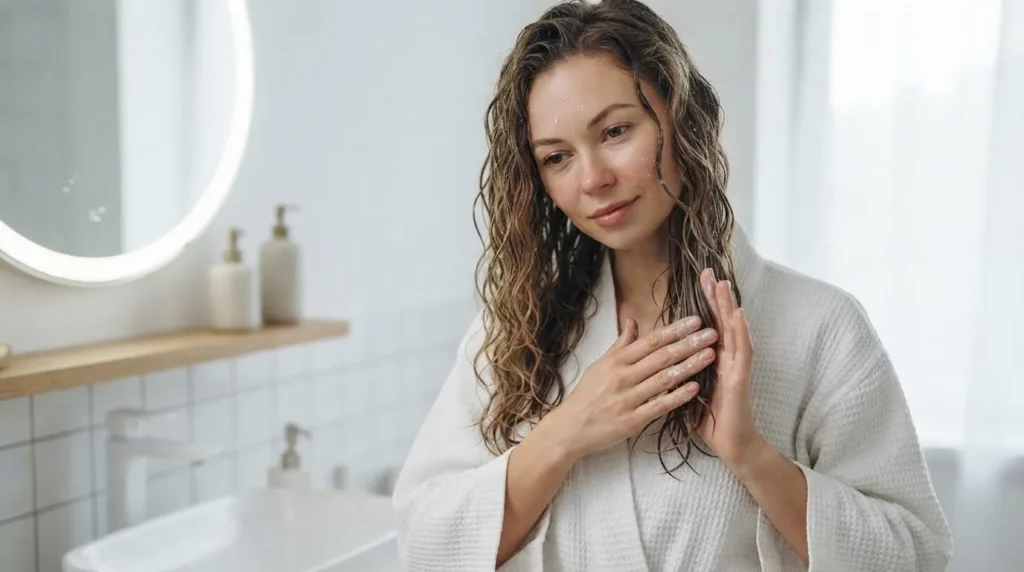
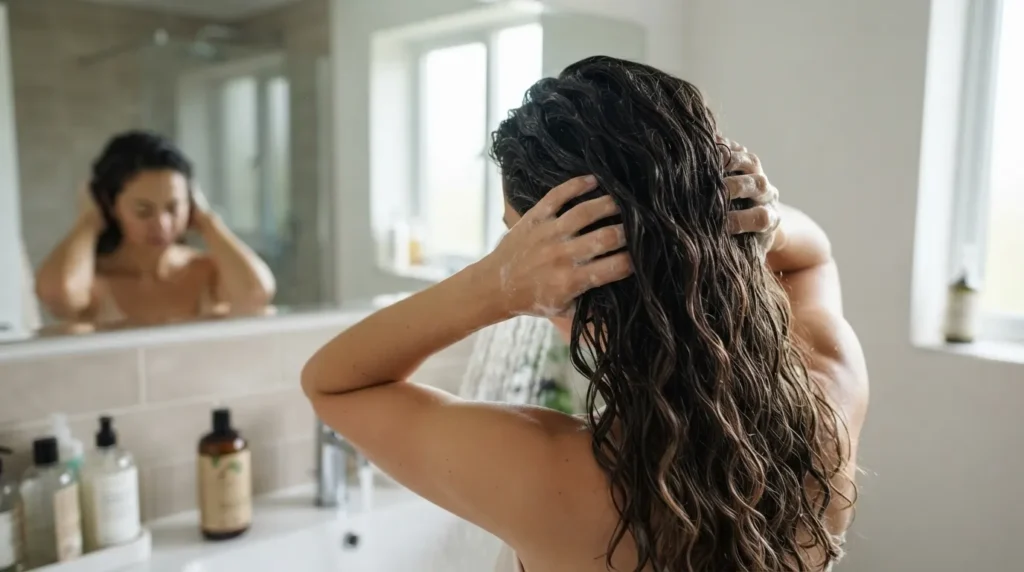
A consistent routine does not need to be complicated.
Here is a practical wash-day sequence.
Step 1: Cleanse
Start by cleansing your scalp with a shampoo suited to your needs.
Focus the shampoo primarily on the scalp rather than aggressively scrubbing the lengths.
If you use many styling products, an occasional clarifying shampoo can help remove buildup. It should not automatically replace your regular cleanser.
Step 2: Condition and Detangle
Apply conditioner through the lengths and ends.
Use this stage to gently detangle your hair. Once the hair is smooth enough, rinse according to the product instructions and your preference.
If your hair feels consistently dry, consider adding a hair mask or deep-conditioning treatment periodically.
Step 3: Apply Styling Products
Apply styling products while your hair is damp or wet.
A simple combination might include:
- Lightweight leave-in conditioner
- Curl-enhancing cream
- Gel for stronger hold
You do not necessarily need all three.
For fine hair, start with a small amount. For thick or coarse hair, you may need more product distributed through multiple sections.
Step 4: Dry Without Creating Frizz
Gently squeeze excess water from your hair rather than aggressively rubbing it.
You can air dry or use a diffuser.
If you diffuse, begin with a gentle setting and avoid constantly moving the hair around. Excessive manipulation while the waves are forming can create frizz.
Step 5: Refresh Between Wash Days
On later days, lightly mist the hair with water and reshape flattened sections.
If needed, use a small amount of styling product.
For example, if your roots look fine but the ends have lost definition, refresh only the ends instead of applying more product to the entire head.
Best Products for 2C Hair
The best products for 2C hair depend on your strand thickness, density, porosity, scalp, and desired finish.
There is no single shampoo, conditioner, cream, or oil that works for every person with this pattern.
Shampoo and Conditioner
Choose shampoo based primarily on scalp needs and conditioner based on the condition of your lengths.
If your scalp becomes oily quickly, a lightweight cleansing routine may work better. If your hair is dry and coarse, you may prefer a more conditioning formula.
A good conditioner should make detangling easier without leaving your waves excessively coated.
Leave-In Conditioner
A leave-in conditioner can provide additional softness and slip.
However, fine 2C hair can become weighed down easily.
Start with a small amount and distribute it evenly.
If your hair becomes flat, sticky, or greasy after using leave-in conditioner, reduce the amount rather than immediately adding another styling product.
Curl Cream and Styling Cream
Curl cream can help improve softness and definition while encouraging your natural wave pattern.
Look for lightweight formulas if your hair is fine or easily weighed down.
A styling cream can be particularly useful when you want soft, touchable waves rather than maximum hold.
For example, someone wearing their hair loose during the day may prefer a lightweight cream, while someone dealing with humidity may benefit from adding a stronger-hold product afterward.
Gel and Products for Hold
Gel can help preserve wave definition and reduce the amount of frizz that appears as the hair dries.
Strong hold is not necessarily bad for 2C hair. The key is using an appropriate amount and choosing a finish you like.
If gel creates a firm cast, allow the hair to dry completely before gently scrunching it to soften the finish.
Hair Masks and Deep Conditioning
A hair mask can be useful when your hair feels dry, rough, or difficult to manage.
Deep conditioning should complement your regular routine rather than become an automatic weekly requirement.
If your hair already feels soft and defined, increasing heavy conditioning may not improve it.
Oils and Serums
Lightweight oils or serums can help smooth the finished style and reduce the appearance of dry ends.
Use a small amount.
Oil is usually better treated as a finishing product rather than a substitute for water-based hydration and conditioning.
How to Style 2C Hair

The goal of 2C hair styling is to encourage the existing pattern rather than force every strand into an artificial shape.
How to Define 2C Waves
Start with wet or very damp hair.
Apply your chosen styling product evenly, then gently scrunch the lengths upward.
You can also use a sectioning technique if some areas need additional definition.
After styling, leave the hair alone while it dries.
A practical example: if your left side forms stronger waves than your right side, apply slightly more product and use more scrunching on the weaker side instead of increasing the amount everywhere.
How to Enhance Natural Waves
Scrunching is one simple way to encourage waves.
Another option is to use a lightweight curl-enhancing cream followed by gel.
Avoid repeatedly running your fingers through the hair while it dries. Once the waves have formed, excessive touching can disturb the pattern and increase frizz.
How to Add Volume
Volume depends on both the cut and styling technique.
For more root volume:
- Avoid applying heavy cream directly to the roots.
- Use lightweight products.
- Diffuse with the roots positioned naturally or slightly lifted.
- Consider layered haircuts.
- Avoid excessive oil near the scalp.
If your hair is fine, using less product can sometimes produce more visible volume.
Air Drying vs Diffusing 2C Hair
Air drying is simple and does not require heat, but it can take longer.
Diffusing can speed up drying and may help create additional volume when used carefully.
| Method | Best for | Main consideration |
|---|---|---|
| Air drying | Simple routines | Takes longer |
| Diffusing | Faster drying and volume | Requires careful heat control |
| Low-heat drying | Controlled styling | Use heat protection |
| High heat | Quick drying | Greater risk of damage |
Neither method is automatically better. Choose according to your schedule, hair condition, and desired finish.
Using Heat Safely on 2C Hair
Frequent high heat can contribute to dryness and damage.
When using a blow dryer or other heat styling tool, use heat protection and avoid unnecessarily high temperatures.
Keep the dryer moving rather than concentrating heat on one small section for a long time.
For example, if you want to straighten your hair occasionally, protect it first and use the lowest effective heat rather than repeatedly passing over the same section.
Best Haircuts and Hairstyles for 2C Hair
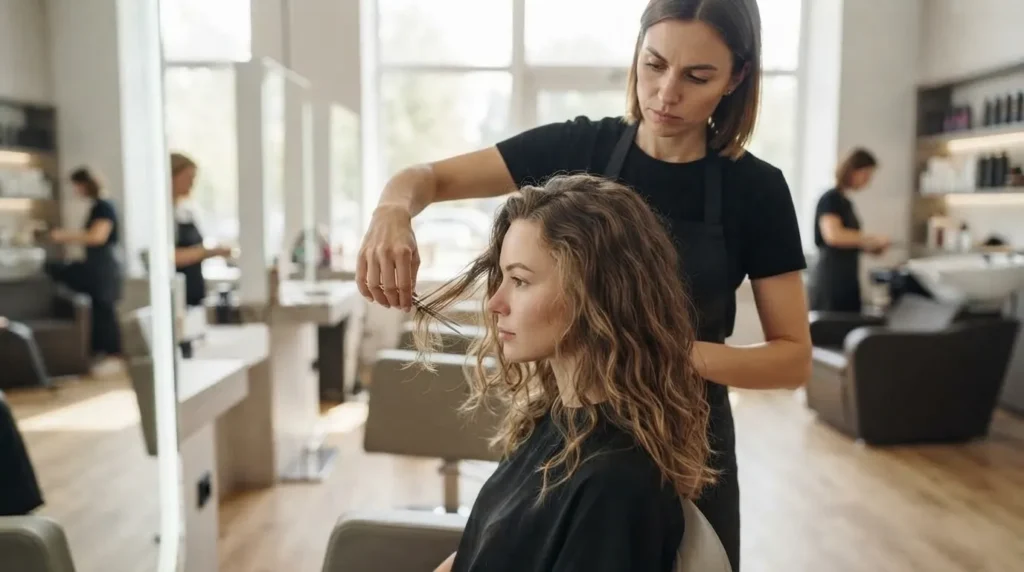
A good haircut can make styling much easier.
The right shape depends on your density, length, face shape, lifestyle, and how much volume you want.
Shoulder-Length 2C Hair
Shoulder-length hair can provide a useful balance between movement and manageability.
Layers can help prevent thick hair from appearing overly heavy while allowing the waves to move naturally.
Layered Haircuts
Layers can enhance natural wave definition and create movement.
For dense 2C hair, strategic layers may remove excess weight. For fine hair, too many layers can sometimes reduce the appearance of fullness.
Discuss your natural wave pattern with your stylist before choosing the amount of layering.
Long 2C Hair
Long hair can produce beautiful, elongated waves.
However, extra length also adds weight.
If your waves appear increasingly flat as they approach the roots, a suitable layered shape may help restore movement.
Short 2C Hair
Short 2C hair can create strong volume and visible texture.
A shorter cut may make the wave pattern appear more compact because there is less length pulling the hair downward.
The finished result will depend heavily on your density and natural pattern.
Curly Bangs and Side Parts
Bangs can work beautifully with naturally textured hair when they are cut with the expected wave pattern in mind.
A side part can also create instant volume by shifting the direction of the roots.
If you are considering bangs, remember that wavy hair can shrink or move differently after drying than it appears when wet.
2C Hair Maintenance Tips
Good maintenance is mostly about preventing problems before they become difficult to fix.
How to Prevent Buildup
Buildup can make waves feel heavy, dull, sticky, or unusually flat.
Potential causes include repeated use of styling products, oils, heavy conditioners, and insufficient cleansing.
If your usual products suddenly stop working, consider whether buildup is contributing before buying several new products.
How to Manage Dry Ends
Dry ends often benefit from better conditioning, gentler handling, and reduced heat exposure.
Trim damaged ends when needed and avoid repeatedly manipulating them.
If the ends remain dry despite a good routine, review the entire process rather than simply adding more oil.
How to Protect Hair Overnight
Friction during sleep can disturb waves.
You can experiment with a loose protective style or a smoother pillowcase.
The goal is to reduce unnecessary rubbing and compression.
In the morning, refresh only the areas that need attention.
How to Adjust Your Routine
Your routine may need to change with the seasons.
Humidity can increase frizz, while dry weather may make the hair feel rougher.
You may also need different amounts of product depending on whether your hair is short, freshly cut, very long, or recovering from heat styling.
A useful rule is to change one variable at a time. If you change shampoo, conditioner, cream, gel, and drying method simultaneously, it becomes difficult to determine what actually helped.
2C Hair Quick-Reference Chart
| Goal | Try first | Avoid overdoing |
|---|---|---|
| More definition | Curl cream + gel | Too many layers of product |
| Less frizz | Better conditioning + gentle drying | Touching waves while drying |
| More volume | Lightweight products + layers | Heavy oils near roots |
| Dry hair | Conditioner + occasional mask | Constantly adding heavy creams |
| Oily roots | Appropriate cleansing | Heavy products on scalp |
| Flat waves | Reduce product weight | Adding more cream |
| Better refresh | Water + small product amount | Reapplying the full routine |
| Faster drying | Diffuser on gentle settings | Excessive heat |
| More softness | Conditioner or leave-in | Over-conditioning |
| Product buildup | Appropriate cleansing | Continuously adding styling products |
2C Hair FAQs
How do I know if I have 2C hair?
If your natural hair forms strong S-shaped waves that may begin relatively close to the roots, you may have 2C hair. Some sections can also form loose curls.
Your pattern does not need to look identical across your entire head.
How often should I wash 2C hair?
Wash according to your scalp and hair needs rather than following a fixed schedule.
If your scalp becomes oily or uncomfortable quickly, you may need more frequent washing. If it remains comfortable for longer, you may wash less often.
How do I make 2C hair more defined?
Apply styling products to wet or damp hair and scrunch gently to encourage your natural pattern.
A curl cream can provide softness, while gel can provide additional hold and definition.
How do I reduce frizz in 2C hair?
Focus on conditioning, gentle drying, appropriate styling products, and reduced manipulation.
Avoid aggressively brushing dry waves and repeatedly touching the hair while it dries.
Is 2C hair curly or wavy?
2C hair is classified as wavy, but its pattern can approach loose curls.
Some people with 2C hair have sections that look almost curly, especially when the hair is well hydrated and styled.
Can 2C hair become 3A?
Your natural pattern can vary between sections and over time, but styling techniques do not permanently change your genetic hair pattern.
Heat, chemical treatments, damage, length, and product buildup can temporarily change how your waves appear.
What products are best for 2C hair?
The best products depend on your individual hair.
Lightweight shampoo and conditioner, leave-in conditioner, curl cream, gel, occasional deep conditioning, and a lightweight finishing product can all be useful.
Start with fewer products and add only what solves a specific problem.
Final Thoughts
2C hair looks its best when you work with its natural wave pattern instead of fighting it. Focus on balanced moisture, gentle cleansing, lightweight styling, good hold, careful drying, and a haircut that supports your natural movement. Once you understand how your own hair responds to products and techniques, a simple routine can deliver defined, bouncy waves with less frizz and less effort.
Pingback: 2C Wavy Hair Routine: Complete Care Guide