
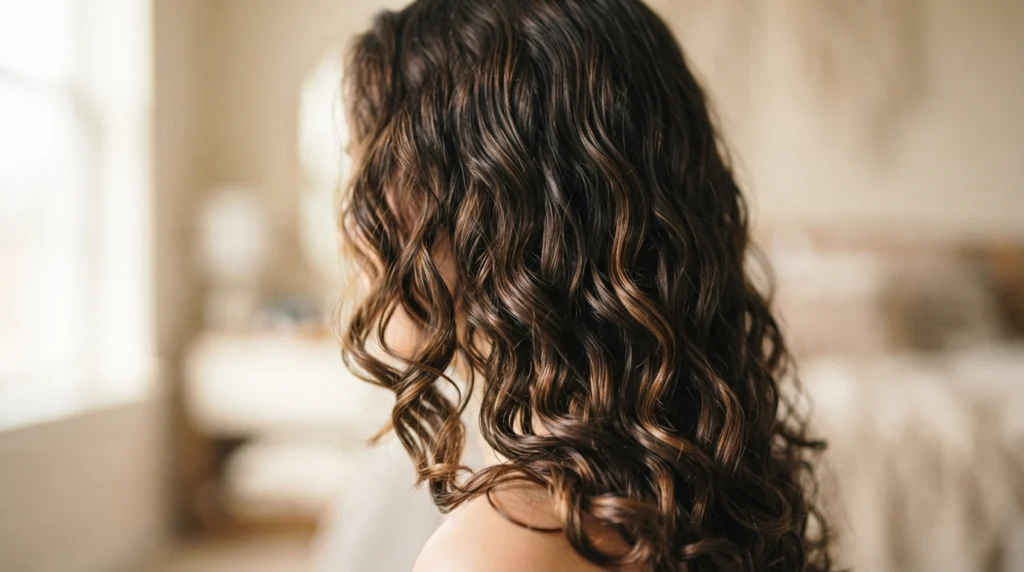
2C Hair Care Routine: The Complete Guide to Type 2C Waves
If your hair sits somewhere between “wavy” and “curly,” forms loose S-shaped bends starting at the mid-lengths, and frizzes the moment humidity rises, you’re likely working with 2C hair. Building the right 2C hair care routine is the difference between waves that look defined and bouncy versus waves that look flat, frizzy, or undefined by noon.
This guide breaks down exactly how to identify 2C hair, wash and moisturize it correctly, control frizz, style for definition, and protect your waves overnight — with product guidance for DIYers and stylists alike.
2C hair sits at an awkward point on the wave-to-curl spectrum. It’s curly enough to need moisture-focused products, but loose enough that heavy, curl-specific formulas often collapse the wave pattern entirely. Most of the frustration people report with this hair texture — flatness at the roots, frizz by afternoon, waves that look great wet but disappear once dry — traces back to using a routine built for a different curl type. For a broader look at how curl typing works across categories, resources like the Healthline curl type guide are a useful starting reference before diving into 2C-specific care.
What Is 2C Hair?
2C hair is the curliest end of the wave spectrum on the Andre Walker hair typing system. It forms defined, S-shaped waves starting closer to the roots than 2A or 2B hair, often with visible wave pattern even when dry.
Common 2C hair characteristics include:
- Looser curls that resemble waves more than tight coils 🔗 https://www.healthline.com/health/curly-hair-types
- A tendency toward flat roots paired with more volume and texture from mid-length to ends
- Hair that ranges from fine to coarse hair, though many 2C types have thick hair and higher hair density
- High sensitivity to humidity, leading to frizzy hair if not managed
- A texture that appears “wavy” when soaking wet, then reveals its S-pattern as it dries
Because 2C hair often has more strands per square inch than curlier types, it can carry more hair volume overall, even though individual waves are looser than a 3A curl. Recognizing this baseline curl pattern is the first step before picking any products.
What does 2C hair look like in practice? Wet, it clings close to the head and can resemble straight hair for the first few inches before waving out. As it dries, the S-bends tighten slightly and become more visible, especially if products were applied while hair was still saturated. Hair density also plays a role here: someone with fine strands but high density can look like they have thick, voluminous waves, while someone with coarse strands but low density may have a handful of loosely defined pieces with more visible scalp. Both are still 2C — density and strand thickness are separate variables from curl pattern, and mixing them up is one reason people misidentify their type.
The Best 2C Hair Care Routine
A solid wavy hair routine for 2C hair follows five repeatable steps on every wash day. Skipping any one of them is usually what causes loss of definition by the next morning.
Choose the Right Shampoo
Start with a sulfate-free shampoo. Sulfates strip natural oils fast, which triggers dry hair and rebound oil production at the scalp. Once every one to two weeks, swap in a clarifying shampoo to remove product buildup without over-drying strands in between.
Condition Your Waves
Follow with a rinse-out conditioner, concentrating it from the ears down. 2C hair rarely needs heavy conditioning at the roots, since that’s where oily roots and root volume loss tend to happen first.
Apply Leave-In Conditioner
While hair is still soaking wet, apply a leave-in conditioner. This is the single biggest lever for moisture retention and directly reduces frizz control issues later in the routine.
Use Styling Products
Layer a lightweight curl cream or gel over the leave-in. This is where wave definition actually gets built — product application technique matters as much as the product itself.
Define Your Waves
Use scrunching or finger coiling to encourage the natural S-shaped waves to clump together, rather than separate into frizz. This locks in the shape before hair starts to dry.
How to Wash 2C Hair
How often to wash 2C hair depends on scalp oil production, but most 2C types do best washing two to three times per week. Washing too often strips moisture; washing too rarely lets product buildup flatten waves and dull wave pattern definition.
A practical 2C hair wash routine:
- Pre-detangle dry hair with a wide-tooth comb before wetting.
- Rinse thoroughly with warm (not hot) water to loosen debris.
- Apply sulfate-free shampoo to the scalp only, massaging with fingertips.🔗 https://www.webmd.com/skin-problems-and-treatments/hair-
- Let the sudsy runoff cleanse the lengths as you rinse.
- Follow immediately with conditioner on the mid-lengths and ends.
Worked example: Someone with fine, low-density 2C hair who washes daily will likely see flat roots and weak curl clumps within a week. Switching to a two-day wash cycle with a light, protein-free conditioner typically restores both root volume and wave shape within two to three washes.
Water temperature matters more than most routines account for. Hot water opens the hair cuticle and strips natural oils faster, which pushes fine or coarse 2C hair alike toward dry hair territory. A lukewarm rinse for cleansing, followed by a cool final rinse before conditioner is sealed in, helps the cuticle lie flat — which directly improves shine and reduces the surface roughness that reads as frizz. Scalp care matters too: massaging the shampoo in with fingertips (never nails) for a full 60 seconds helps loosen product buildup and supports healthier growth at the follicle, something stylists frequently emphasize during consultations but that most at-home routines skip entirely.
How to Moisturize and Hydrate 2C Hair
Hydration for 2C hair is about layering, not loading up on one heavy product. The most effective 2C hair care routine for dryness follows the LOC-style method: liquid (water or leave-in), oil, then cream.
- Use a deep conditioner or hair mask weekly to rebuild moisture reserves.
- Add a lightweight hair oil (argan, jojoba, or grapeseed) after the leave-in to seal in hydration without weighing down loose waves.
- Rotate in a protein treatment only once every four to six weeks — too much protein makes 2C hair stiff and prone to hair breakage.
Dryness shows up fastest at the split ends, so focus moisturizing effort on the lower half of each strand rather than the scalp.🔗 https://www.aad.org/public/everyday-care/hair-scalp-care/hair
Worked example: A person whose waves look great near the crown but frizzy and dull past the shoulders is usually under-moisturizing the lower half of their hair — the oldest, most weathered section of each strand. Rather than adding more product overall, concentrating a hair mask specifically from ear-level down for two consecutive wash days typically evens out the difference without over-saturating the roots. Trichologists and dermatologists, including guidance summarized by the American Academy of Dermatology, generally recommend treating scalp and length hydration as two separate concerns, since oil production at the root rarely matches moisture loss at the ends.
How to Control Frizz in 2C Hair
Frizz control for 2C hair comes down to three factors: moisture, technique, and disturbance. Dry strands frizz in humidity because the hair shaft is seeking moisture from the air — properly hydrated hair resists this.🔗 https://www.byrdie.com/what-causes-frizzy-hair-4783898
To reduce 2C hair frizz:
- Apply styling products to soaking-wet hair, not damp or dry hair.
- Avoid touching, brushing, or restyling waves once a gel or cream has started to set.
- Use a heat protectant any time heat tools are involved, even on low settings.
- Finish with a small amount of hair oil on dry hair to smooth stray strands (the “scrunch out the crunch” step, covered below).
Worked example: A stylist prepping a client for a humid outdoor event applies a strong-hold gel and skips the anti-humidity top coat. By evening, waves have expanded into frizz. Adding a lightweight, humidity-resistant serum as a final step would have preserved definition for hours longer.
How to Style 2C Hair
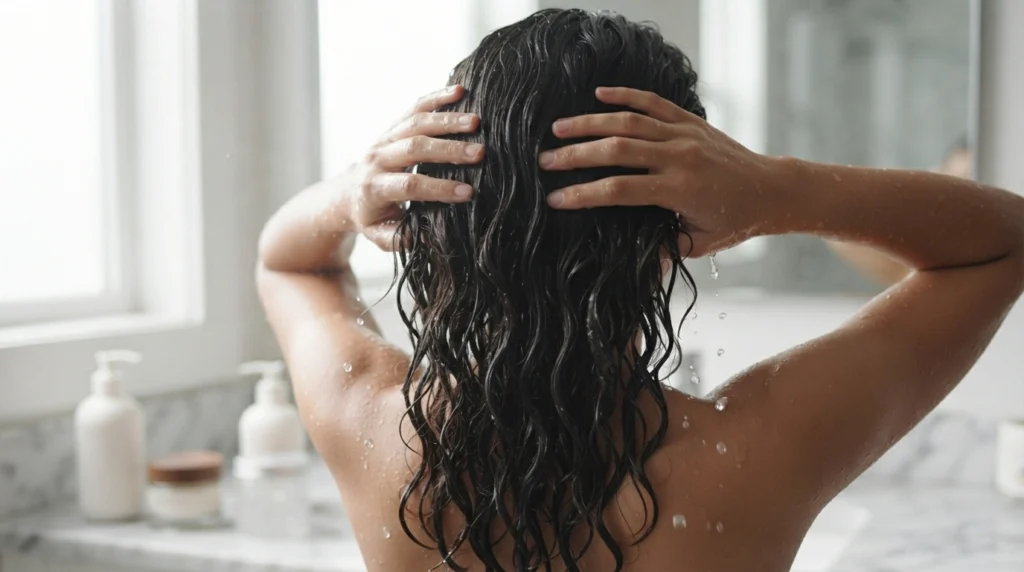
Styling 2C hair well means encouraging wave clumping while minimizing friction. These five techniques, used individually or combined, form most competitor and professional 2C hair styling routines.
Scrunching
Cup soaking-wet, product-coated sections in your palm and scrunch upward toward the scalp. This is the fastest way to define 2C waves and build clumps rather than single strands.
Plopping
Flip damp, product-coated hair into a microfiber towel or cotton T-shirt and secure it on top of your head for 10–20 minutes. Plopping 2C hair removes excess water while encouraging waves to set without gravity pulling them straight.
Air Drying
Letting hair dry naturally, undisturbed, after scrunching preserves the most natural wave pattern. It’s slower than diffusing but produces the softest results with the least frizz risk.
Diffusing
A hair diffuser attachment on a blow dryer speeds up drying while distributing airflow evenly, which prevents the frizz that a direct dryer nozzle causes. Use low heat and a low-medium fan speed, scrunching hair upward into the diffuser bowl as you go.
Refreshing Second-Day Waves
For second-day hair, mist with water or a diluted leave-in, then scrunch gently. A curl refresh spray with a touch of gel revives clumps without requiring a full rewash.
Best Products for 2C Hair
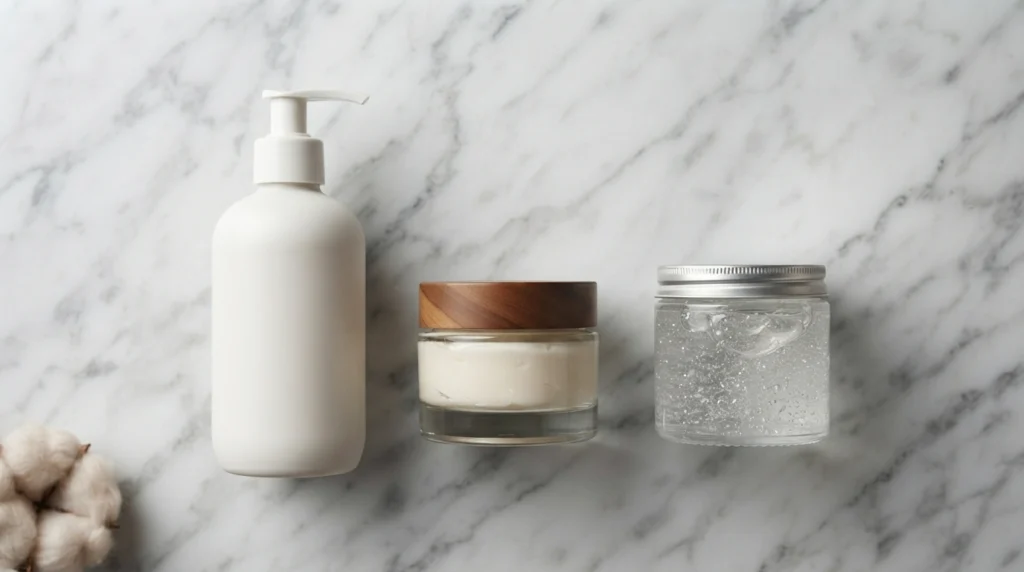
The right 2C hair products are lightweight — heavy butters and creams tend to weigh down looser waves rather than define them.
| Product Type | What It Does | Look For |
|---|---|---|
| Sulfate-free shampoo | Cleanses without stripping | Gentle surfactants, no sulfates |
| Lightweight conditioner | Detangles, softens | Silicone-free, mid-weight formula |
| Leave-in conditioner | Adds base moisture | Water-based, lightweight |
| Curl cream | Adds hold, definition | Light-medium hold, non-greasy |
| Gel | Locks in wave shape, fights frizz | Flexible hold, alcohol-free |
| Mousse | Adds volume without heaviness | Lightweight, humidity-resistant |
| Hair oil | Seals moisture, smooths frizz | Argan, jojoba, grapeseed |
A common pairing for curl-defining products is a light curl cream for 2C hair applied first, followed by a small amount of gel for 2C hair for hold — the “cream-and-gel” combo most professionals recommend for looser wave patterns. A mousse for 2C hair works well as an alternative to gel for those who dislike any crunch or cast.
How to Dry 2C Hair
How to dry 2C hair without frizz comes down to minimizing disturbance during the drying process. Three methods dominate:
- Air drying — best for definition, slowest overall.
- Diffusing — best for speed, moderate definition, needs practice.
- Plopping, then diffusing or air drying — best overall balance for most 2C types, since plopping removes excess water that would otherwise weigh waves down.
Whichever method you choose, always dry with a microfiber towel or cotton T-shirt first — regular terry towels create friction that roughs up the hair cuticle and causes frizz.
How to Protect 2C Hair Overnight
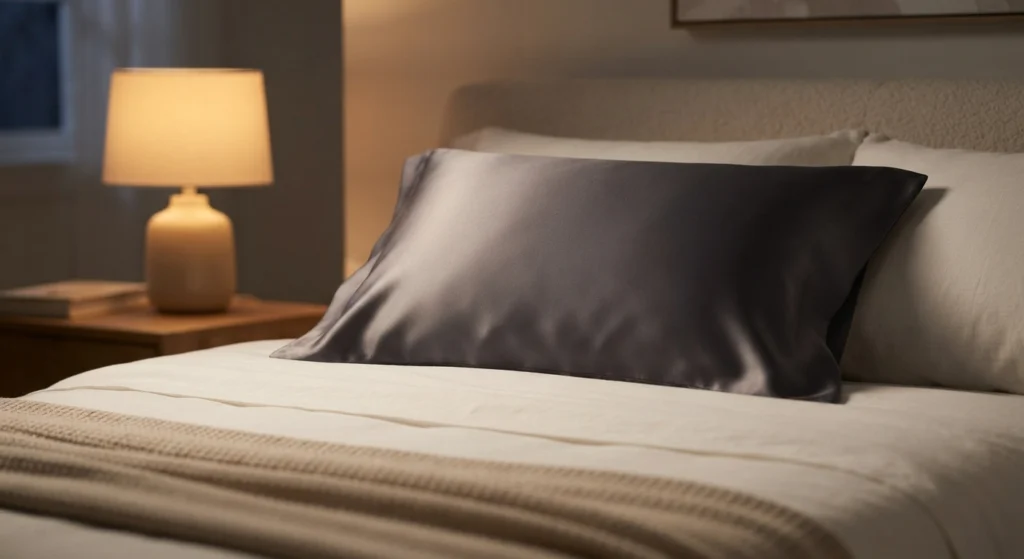
Overnight hair protection prevents the friction that undoes an entire wash day’s work. Cotton pillowcases absorb moisture and create drag; smoother fabrics don’t.
- Sleep on a silk pillowcase or wrap hair in a satin bonnet to reduce friction while you sleep.
- Try overnight braiding (loose, low braids) or a pineapple-style high ponytail to prevent tangles and preserve wave shape.
- Avoid tight overnight styles, which create kinks rather than waves.
Worked example: Someone who scrunches perfect waves at night but wakes up with flat, frizzy hair is usually sleeping on cotton with hair loose. Switching to a satin bonnet alone often preserves 80–90% of the previous day’s definition.
2C Hair Care Mistakes to Avoid
Even a solid 2C hair care routine can be undone by a few common habits. Most 2C hair mistakes aren’t about using “bad” products — they’re about applying the wrong intensity of product or technique for a wave pattern that sits between wavy and curly. Below are the common 2C hair mistakes that show up most often, whether you’re managing your own hair or working with clients who have this texture.
- Using heavy, high-shine products meant for curlier or coilier hair types — these are common mistakes that damage 2C hair by weighing it down into limp waves.
- Skipping the leave-in conditioner and going straight to styling product — one of the most common mistakes that cause frizz.
- Over-brushing dry hair, which breaks up clumps and creates frizz instead of separation.
- Towel-drying with terry cloth, which roughs up the cuticle.
- Overusing heat without a heat protectant, accelerating hair breakage and damaged hair over time.
- Touching hair while it dries, which disrupts wave formation before it sets.
2C Hair vs. Other Hair Types
Understanding 2A vs 2B vs 2C — and where 2C ends and curlier types begin — helps set realistic expectations for products and routines.
| Type | Wave/Curl Pattern | Typical Needs |
|---|---|---|
| 2A | Barely-there, loose waves | Lightweight products, minimal hold |
| 2B | Defined waves, some frizz | Medium hold, light moisture routine |
| 2C | Strong S-shaped waves, curl-adjacent | More moisture, stronger hold, frizz control |
| 3A | Loose, springy curls | Heavier moisture, curl-specific products |
The line between 2C vs 3A often comes down to whether hair coils into a full loop (3A) or stays in a looser S-bend (2C). Comparing wavy vs curly hair more broadly, 2C sits at the transition point — it behaves like type 2 hair in its need for lighter products, but often needs the frizz-control intensity typically associated with type 3 hair.
This is also why curl classification systems are best treated as a starting point rather than a strict label. Many people have more than one wave or curl pattern across their head — tighter waves at the nape, looser ones at the crown — which is completely normal and simply means blending techniques from adjacent types. If you’re unsure whether your hair leans closer to 2B or 3A, our related guide on identifying your exact curl type walks through the wet-hair test stylists use to tell the difference.
FAQ
What is 2C hair?
2C hair is a wavy hair type defined by strong, S-shaped waves that start closer to the root and often carry more volume and frizz-proneness than 2A or 2B hair.
How often should I wash 2C hair?
Most 2C hair does best washing two to three times a week, using a sulfate-free shampoo to avoid stripping moisture.
How do I stop 2C hair from frizzing?
Apply product to soaking-wet hair, avoid touching it while it sets, and use a humidity-resistant gel or serum as a final step.
What products work best for 2C hair?
Lightweight leave-in conditioners, curl creams, and flexible-hold gels work best — heavy butters tend to weigh down 2C waves.
Should I diffuse or air dry 2C hair?
Air drying gives the most natural definition; diffusing is faster and works well once you’ve learned to scrunch hair into the diffuser bowl without disturbing wave clumps.
How do I protect 2C hair overnight?
Use a silk pillowcase or satin bonnet, and consider loose overnight braiding to prevent tangles and preserve waves.
A consistent 2C hair care routine rewards patience. Waves respond to moisture, gentle handling, and the right lightweight products far more than they respond to any single “miracle” item — get the fundamentals right and the definition follows.
REad Next.
Pingback: Best Curl Cream for 2C Hair: Top Picks